
By Michele Evans / NYweeklyRecord.com / Date: 11/17/2026
Category: NYPD Accountability / Civil Rights / Public Safety
NEW YORK CITY, NY – New York City is dismantling the NYPD’s Strategic Response Group, separating counterterrorism from protest policing and promising a civilian-led system built around dialogue instead of military-style crowd control.
Mayor Zohran Mamdani and Police Commissioner Jessica Tisch announced the overhaul Nov. 16. The city says the SRG will be formally disbanded, its roughly 500 officers reassigned and its functions divided among new and existing units.
The move follows years of lawsuits, complaints and public criticism over the group’s response to demonstrations. The SRG became a symbol of aggressive protest policing after officers used kettling, pepper spray, batons and mass arrests during the 2020 racial-justice protests.
Ending the unit does not end police involvement in demonstrations. It changes who leads the response, what tactics are permitted and where armed officers are placed.
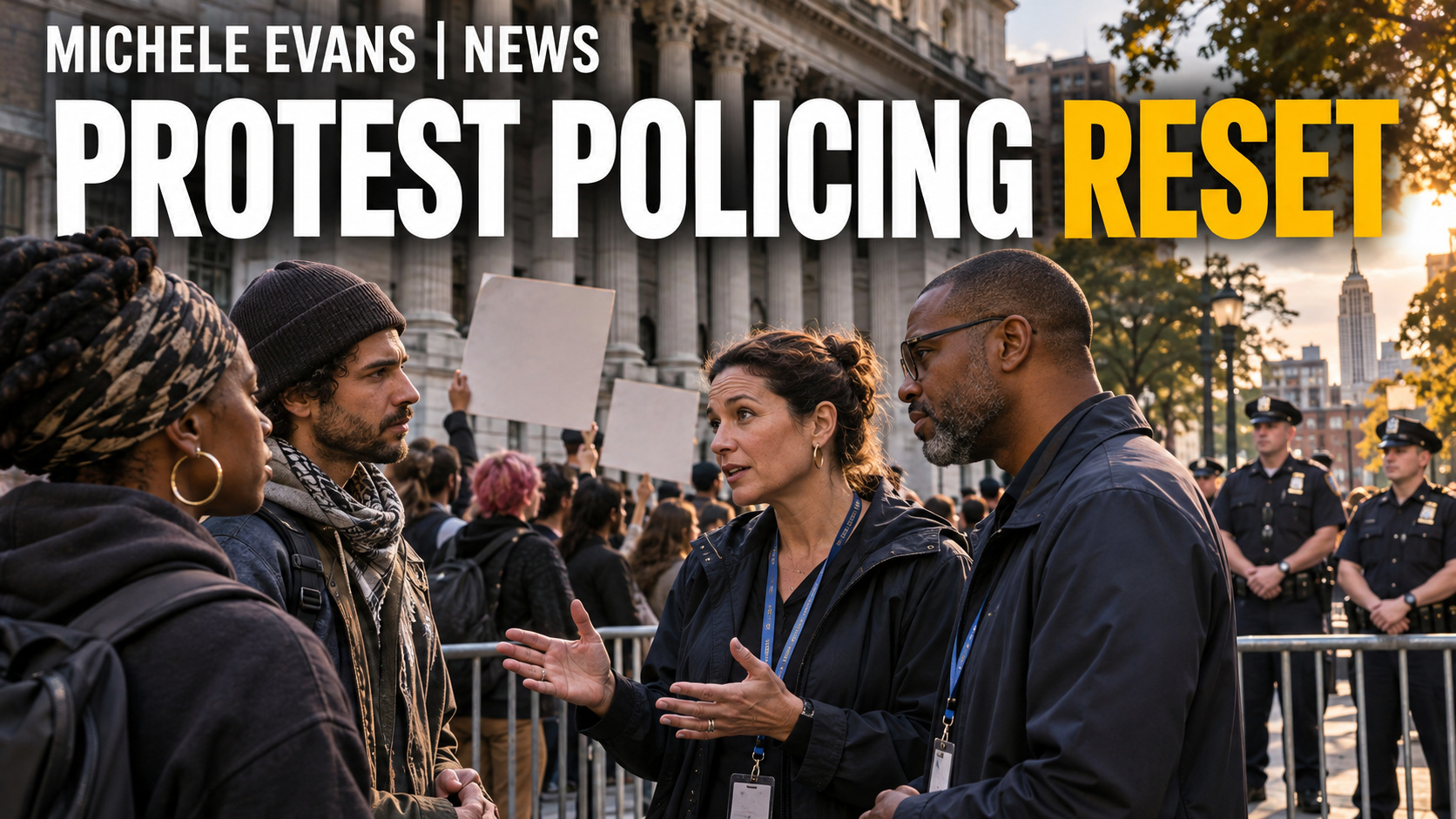
Beginning in the new year, a Community Dialogue and De-escalation Division will operate inside the Mayor’s Office of Community Safety. The city says its civilian staff will not carry weapons or have arrest powers. Their job will be to communicate with organizers, assess conditions and reduce conflict before it escalates.
A separate First Amendment Support Team will place 30 uniformed officers in the NYPD’s Community Affairs Bureau. Those officers are expected to specialize in communication and de-escalation.
The department is also creating a Patrol Support Division made up of screened and specially trained officers. City officials say that unit will assist patrol, major events and missing-person searches, and will enter demonstrations only when conditions require police enforcement.
Counterterrorism work will move to the NYPD’s Intelligence and Counterterrorism Bureau. That includes heavy-weapons deployments and protection of critical infrastructure.
The city also announced restrictions on tactics that have driven civil-rights complaints. Kettling, in which officers surround protesters and block exits, will be banned. Long guns and tear gas will not be used during First Amendment activity. Pepper spray will no longer be a general crowd-management tool, and long-range acoustic devices will be capped at 90 decibels.
Those commitments are significant, but the test begins after the announcement. Disbanding a unit does not automatically erase its practices. Officers are being reassigned, not removed from the department, and the new Patrol Support Division will retain enforcement and arrest authority in limited circumstances.
The Legal Aid Society welcomed the shift but called for vigilant oversight to ensure the SRG’s tactics do not reappear under a different name. That warning gets to the central accountability question: who will measure compliance when a demonstration becomes tense?
The city has not yet published a public discipline system for violations of the new rules, a reporting schedule for protest encounters or a process for civilians to challenge decisions made by the new structure. Those details will determine whether the change is institutional or cosmetic.
Police union leaders are already objecting. Police Benevolent Association President Patrick Hendry said the overhaul risks public and officer safety when demonstrations block roads or become disorderly. Tisch rejected that premise, saying she would not support changes that weaken the department’s ability to confront serious threats.
Dialogue-based protest policing has been used in London, Columbus and Portland. Researchers told Gothamist that early communication can improve information, build trust and reduce the likelihood that officers misread a crowd and trigger unnecessary confrontation.
New York will be the largest American city to try the approach at this scale. That makes transparency essential. The public should know how civilians are selected, what training they receive, when police take control and how use-of-force incidents are reviewed.
The SRG’s end is a response to years of pressure from protesters, civil-liberties groups and New Yorkers who paid the price for misconduct settlements. Whether the replacement earns trust will depend on what happens at the next march, not what was promised at City Hall.
Sources
Gothamist, Mamdani announces plan to disband NYPD’s Strategic Response Group
Gothamist, Can talking to protesters help the NYPD avoid clashes?
NBC New York, Mamdani fulfills campaign promise disbanding NYPD Strategic Response Group
Leave a Reply