
By Michele Evans / NYweeklyRecord.com / Date: 10/12/2026
Category: NYPD Accountability / Civil Rights / Public Safety
NEW YORK CITY, NY –
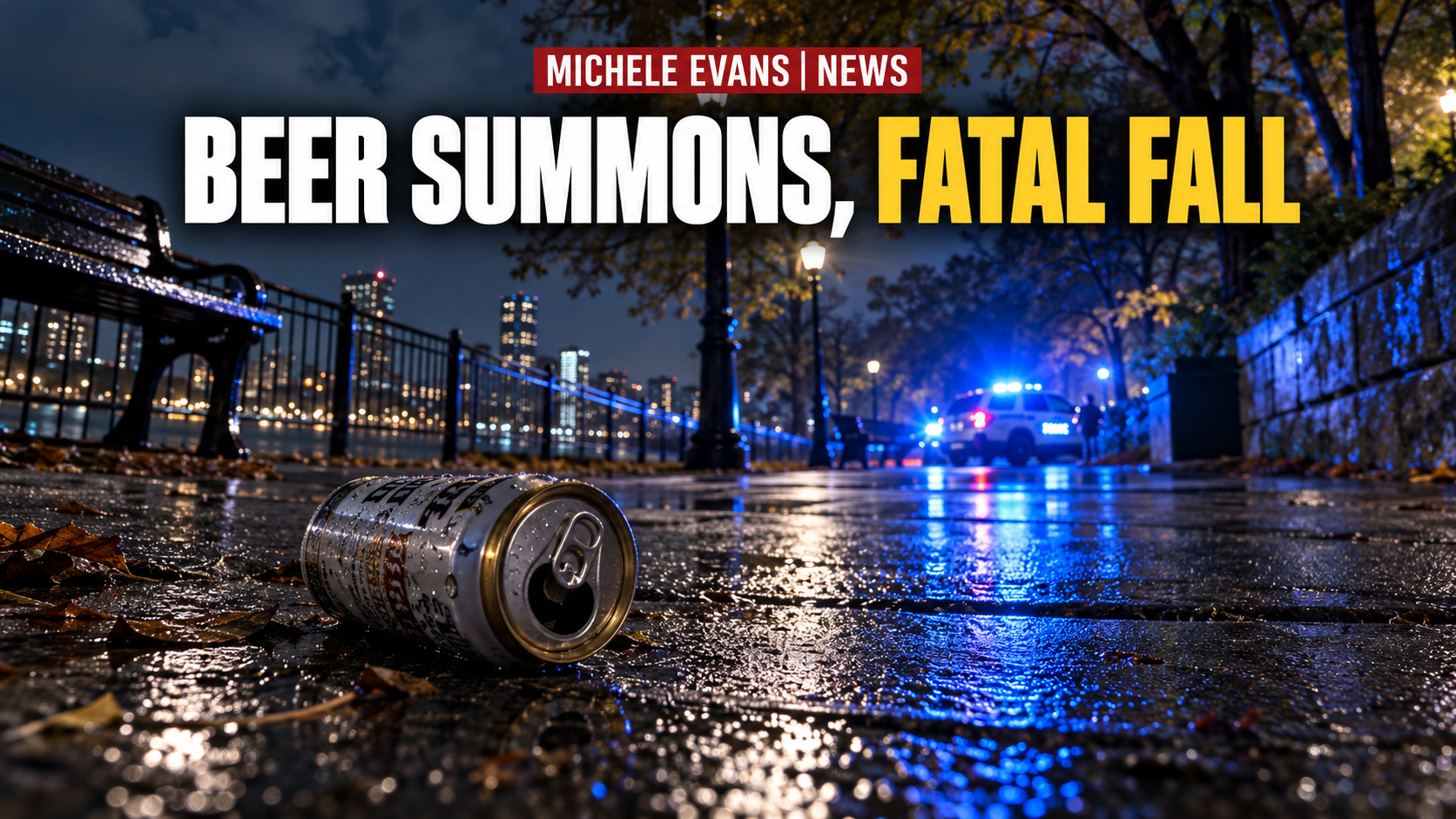
A family lawsuit is forcing a second look at the death of Shelton Ennis, a 54-year-old man who died after an NYPD encounter that began with an open can of beer in Riverside Park.
The lawsuit, filed by Ennis’s brother Aaron Ennis, accuses New York City and two officers of civil-rights violations, excessive force, negligence and an unlawful stop. Those claims are allegations and have not been decided by a court.
The state attorney general’s Office of Special Investigation reached a different conclusion under the criminal standard. In a September report, investigators said the evidence would not allow prosecutors to prove beyond a reasonable doubt that the officer committed a crime.
The official account says officers saw Ennis throw away an open beer can near Riverside Drive and West 136th Street at about 9:52 p.m. on June 26, 2025. Officers sought his identification to issue a summons. Ennis said he had no identification and gave a name and birth date that did not match police records.
Officers told Ennis they would take him to a precinct to identify him. He ran. Two officers followed, and one officer took him down from behind by wrapping both arms around his upper body, according to the attorney general’s report.
Ennis and the officer fell forward. Ennis became unresponsive. Emergency medical workers found him breathing but unresponsive at 10:13 p.m. He was pronounced dead at a hospital at 10:49 p.m.
The medical examiner found that the impact caused a tear in the wall of Ennis’s heart. A knife was recovered at the scene, but the attorney general’s public account does not say Ennis displayed it or threatened officers with it before the takedown.
Investigators found the officers could lawfully take Ennis to the precinct after they could not confirm his identity, and that the officer could use reasonable force to carry out the arrest. The report said there was no evidence of an intent to injure Ennis or of criminal recklessness or negligence.
That no-charge decision does not resolve the civil case. The lawsuit applies a different legal framework and can test whether the stop, pursuit and force violated Ennis’s rights or exposed the city to liability.
The central accountability question is stark: how did enforcement of a low-level open-container rule end with a fatal impact? The civil case may determine whether the officers’ decisions were lawful and proportionate, and whether police policy did enough to prevent a minor encounter from becoming deadly.
The NYPD has not publicly said whether the two officers remain on duty, according to reporting on the lawsuit. The city will have an opportunity to answer the allegations in court.
Sources
New York Attorney General: Office of Special Investigation Report
Leave a Reply