
By Michele Evans / NYweeklyRecord.com / Date: 9/23/2026
Category: Criminal Courts / Prosecutor Accountability / Justice Reform
NEW YORK CITY, NY –
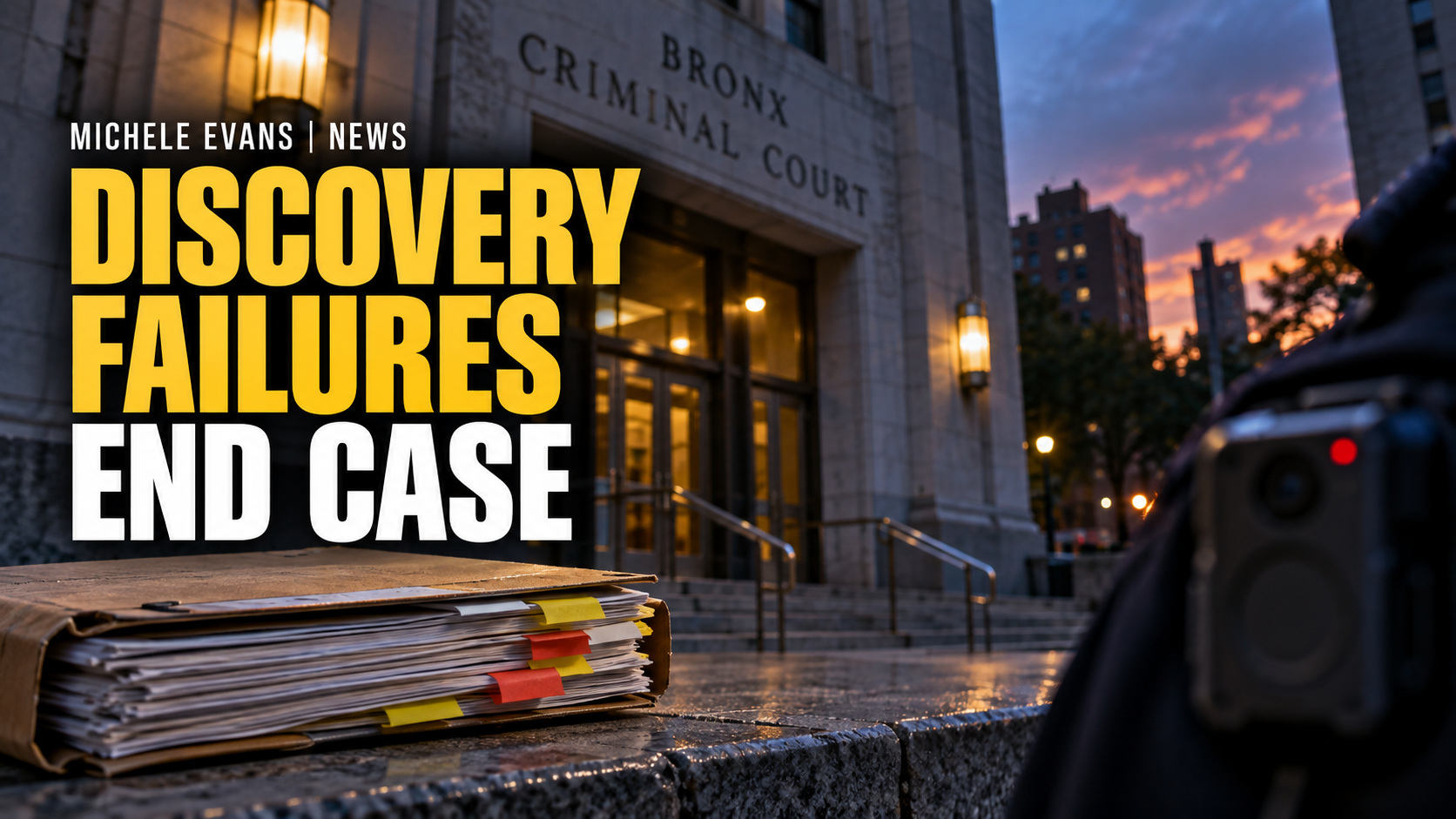
A Bronx judge dismissed a misdemeanor sexual-contact case after finding prosecutors failed to turn over required evidence and did not complete the work needed to certify that discovery was finished.
The ruling ended the prosecution of Dajanae Wesley on charges of forcible touching and third-degree sexual abuse. The allegations were never decided at trial. The dismissal was based on discovery and speedy-trial rules, not a finding about whether the accusation was true.
Judge Philip V. Tisne issued the decision on September 16. The state Law Reporting Bureau posted it on September 22 as an unreported decision in People v. Wesley.
The court found that the Bronx District Attorney’s Office filed an invalid certificate of compliance, the document prosecutors use to say they have met their discovery duties. Without a valid certificate, the prosecution’s statement that it was ready for trial did not stop the speedy-trial clock.
Among the missing material was body-worn camera footage from officers who responded to the alleged incident. The court also found that prosecutors did not timely disclose prior domestic incident reports, including reports involving the parties.
The decision identified other gaps. Prosecutors did not make diligent efforts to identify a bystander who allegedly recorded the incident, and they did not adequately investigate potentially relevant text messages.
New York’s discovery law requires prosecutors to make diligent, good-faith efforts to identify and provide material in the government’s possession or control. A certificate of compliance is not valid simply because it was filed. Courts can examine what prosecutors did before claiming the case was ready.
Tisne concluded those efforts were not diligent or reasonable. Because the certificate was invalid and the allowable prosecution time had expired, he dismissed the case.
The decision is a warning about a failure that can derail criminal cases before a jury hears any evidence. Missing police video, incomplete records searches and unpursued witnesses do not just slow a case. They can erase the prosecution’s claim of readiness and leave an accuser without a trial.
The ruling also protects the defendant’s right to timely disclosure and a speedy prosecution. Those safeguards are meant to prevent defendants from preparing for trial while the government still holds evidence or has not completed basic investigative work.
The public decision does not say whether the Bronx District Attorney’s Office will seek review or whether it has changed its discovery practices in response. Those questions remain open.
Leave a Reply