
By Michele Evans / NYweeklyRecord.com / Date: 9/8/2026
Category: New York State Prisons / Parole / Corrections / Accountability
NEW YORK CITY, NY –
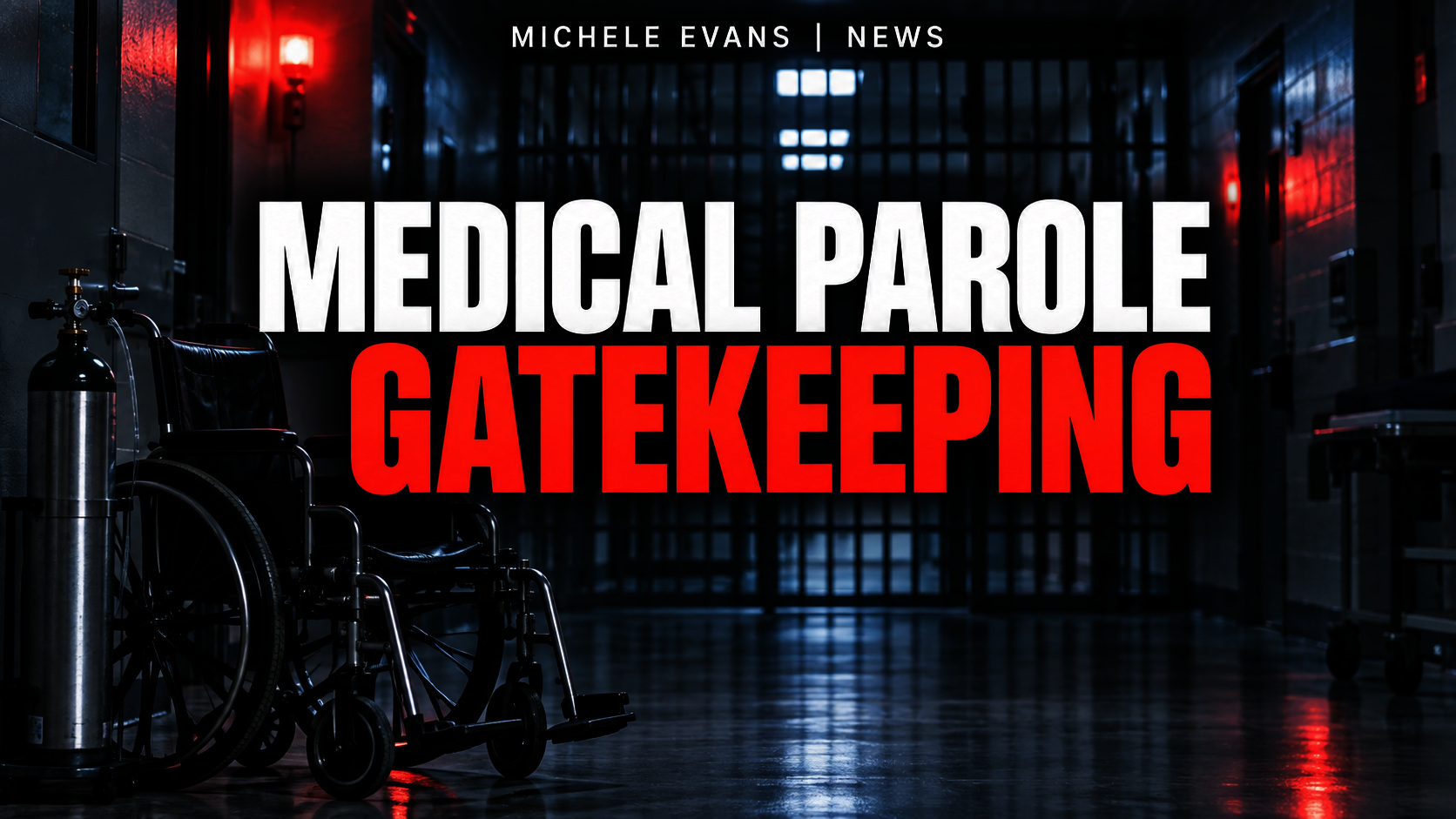
For seriously ill people in New York prisons, the medical-parole process can stop before the parole board ever hears the case.
Darrell Bossett, 70, uses oxygen, takes 19 medications, requires dialysis and lives with stage 4 chronic kidney disease and chronic heart failure, according to reporting published Tuesday by the Times Union. He uses a wheelchair and walker inside the medical unit at Mohawk Correctional Facility.
Bossett has served 44 years of a 61-years-to-life sentence tied to the 1980 killing of a Queens police officer and the earlier killing of another man. He is not eligible for regular parole until 2041.
State corrections officials have twice rejected requests that would allow him to pursue medical parole. The Department of Corrections and Community Supervision determined that he could manage daily care and function independently in a correctional setting, the Times Union reported.
That decision did not come from the Board of Parole. It came earlier, during a gatekeeping process controlled by DOCCS.
New York law requires a physician to diagnose a terminal condition or a permanent non-terminal condition that severely restricts a person’s ability to move independently or perform significant daily activities. The DOCCS commissioner or a designee must then certify the case before the parole board can consider release.
Bossett and Prisoners’ Legal Services of New York are challenging the department’s determination. They argue that the statute does not automatically exclude a disabled person simply because that person can perform some routine tasks. That argument remains unresolved.
DOCCS declined to discuss Bossett’s case, citing medical privacy. An agency spokesperson told the Times Union that medical-parole applications receive a vigorous, multi-stage review.
The wider accountability question is how many applications never reach a hearing, and why.
DOCCS would not provide current figures on requests rejected before parole-board review. Historical data cited by the Times Union show nearly 480 medical-parole requests between 2013 and 2017, but only 160 reached the board. From 2020 through 2024, 86 people were granted medical release.
The process does include public-safety safeguards. The parole board evaluates risk, criminal history, the seriousness of the underlying offense and whether a discharge plan provides appropriate medical placement. Judges, prosecutors and defense lawyers are notified and may submit comments.
Those safeguards only matter after a case reaches the board. For applicants stopped at the certification stage, there is no parole hearing and limited public information about why the department said no.
The human cost can be final. Advocates told the Times Union that seriously ill clients have died while waiting for medical-parole decisions or after being told to seek reevaluation when their health deteriorated further. Official data show 130 deaths in state correctional facilities last year, including 51 listed as natural causes.
Medical parole is not an automatic release. It is a chance for an individualized hearing under standards already written into law. The unanswered question is whether New York’s front-end review is filtering out people who should at least be allowed to make their case.
Leave a Reply