
By Michele Evans / NYweeklyRecord.com / Date: 9/8/2026
Category: NYPD / Public Safety / Surveillance / Accountability
NEW YORK CITY, NY –
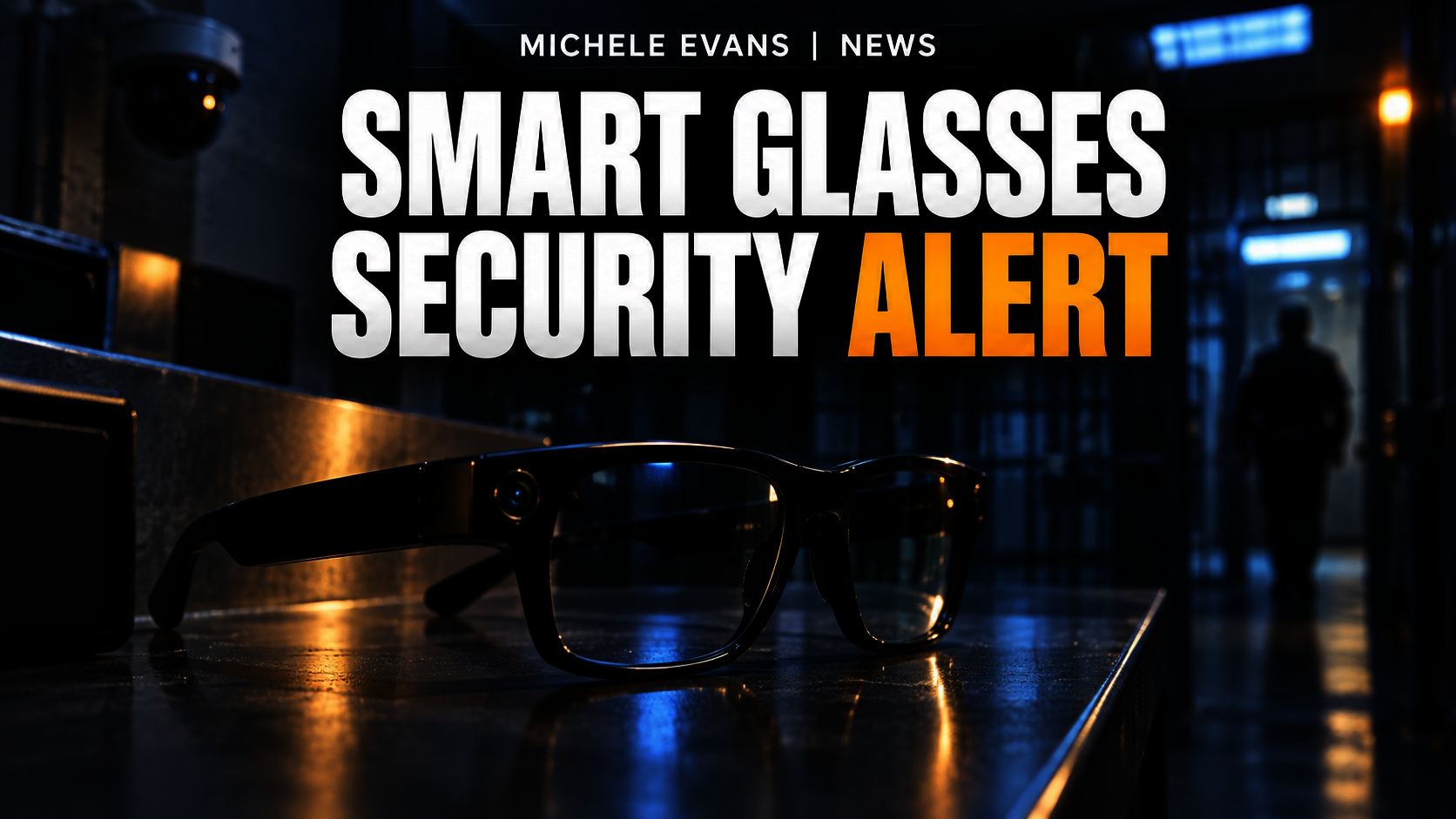
A pair of ordinary-looking glasses can now carry a camera, microphone and artificial-intelligence software into spaces where phones and recording devices are usually confiscated.
That capability prompted the NYPD’s Intelligence and Counterterrorism Bureau to warn officers that Ray-Ban Meta smart glasses could create security and counterintelligence risks inside police and detention facilities, according to documents reviewed by The Guardian.
The January memo told officers to inspect eyewear allowed inside cells. It warned that arrestees could use camera-equipped glasses to record cell layouts, camera locations and officer patrol routines.
The memo cited videos posted online from inside detention facilities. One recording from a South Carolina jail showed cells, a shower, an overcrowded cafeteria and other incarcerated people who appeared unaware they were being filmed.
The NYPD warning is not a public finding that every pair of smart glasses is being used unlawfully. It is an internal risk assessment about technology that can be difficult to distinguish from prescription eyewear.
Meta says its glasses include a white indicator light that flashes during recording and that the camera is disabled when the light is covered or tampered with. The company recently confirmed that a software update disabled camera functions on thousands of altered devices, according to Business Insider.
But that safeguard does not erase the accountability questions.
Police regularly use cameras, facial recognition and other surveillance tools to monitor the public. The newly disclosed memo shows law enforcement confronting the reverse problem: members of the public can now carry less visible cameras into government-controlled spaces.
Ryan Shapiro, executive director of the transparency group Property of the People, told The Guardian that the documents expose a double standard when government surveillance is treated as routine but recording police is framed primarily as a threat.
There are legitimate safety concerns inside holding cells. Covert footage can expose vulnerable people, reveal emergency procedures and document locations that officials have reason to protect. Devices capable of recording are commonly confiscated for those reasons.
There are also civil-rights concerns. Recording police activity can document misconduct and protect both civilians and officers. Broad searches of eyewear, especially prescription devices, raise questions about notice, disability access, evidence retention and what happens to data collected during an inspection.
The publicly reported memo does not answer how NYPD officers should distinguish smart glasses from ordinary eyewear, whether a warrant or consent is needed to examine stored recordings, how prescription needs are handled, or whether seized devices are logged under a uniform policy.
It also does not explain whether the department has tracked incidents involving smart glasses in city facilities or measured how often the warning led to confiscation.
Technology is moving faster than the rules New Yorkers can see. If the NYPD is changing searches inside precincts and detention areas, the department should disclose the policy, the safeguards and the limits.
Security cannot depend on secret instructions alone. The public needs to know how officers will protect facilities without turning every pair of glasses into grounds for suspicion.
Leave a Reply