
By Michele Evans / NYweeklyRecord.com / Date: 7/15/2026
Category: Public Safety / NYPD Accountability / Courts
NEW YORK CITY, NY –
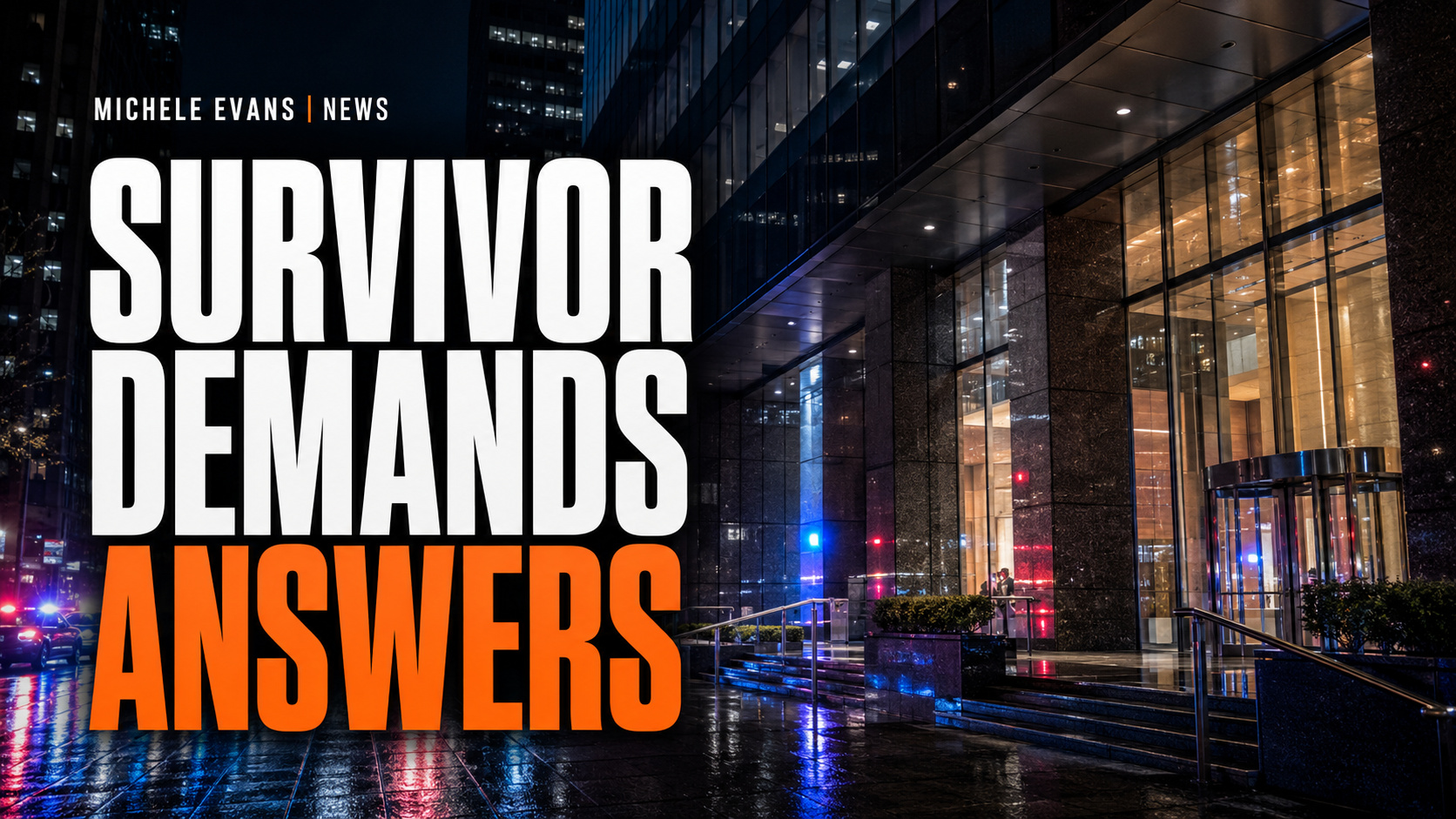
A survivor of the deadly Midtown office-tower shooting is asking a court to decide whether New York City and the NYPD failed him before the first bullets reached the building. Craig Clementi, an NFL employee wounded during the July 28, 2025 attack at 345 Park Avenue, filed a lawsuit in Manhattan Supreme Court last week seeking $24 million in damages.
The complaint alleges Officer Didarul Islam, who was off duty but working in uniform through the NYPD Paid Detail program, failed to recognize an impending threat or warn people inside as gunman Shane Tamura crossed the plaza carrying a rifle in public view. Those claims are allegations. They have not been proven, and no judge or jury has found the city or Islam negligent.
Islam was also a victim of the attack. He was among four people killed. Holding the allegations up to public scrutiny does not erase his service, his death or the devastation suffered by his family. It does expose the painful legal question at the center of Clementi’s case: whether a security system designed to protect a workplace had a duty and a meaningful opportunity to act.
Clementi’s lawsuit will face difficult legal terrain. Under New York’s public-duty doctrine, government protection is generally owed to the public as a whole, not automatically to one individual. A plaintiff often must establish a special duty, along with negligence and causation. The city may also argue that Tamura’s actions were unforeseeable or that there was not enough time for any warning to prevent Clementi’s injuries.
Those defenses remain unanswered in court. The New York City Law Department declined to comment on the pending litigation, according to published reports. The complaint is the survivor’s account of what failed. It is not a final record of what happened, and the city has not yet been held liable.
But the lawsuit raises questions that extend far beyond one damages demand. What training governs Paid Detail officers assigned to private buildings? What signs are officers expected to identify when a person approaches with a visible long gun? Who has authority to alert tenants, lock access points or trigger an active-threat warning?
The Paid Detail program places uniformed NYPD officers at private locations while they are off duty, creating a public-facing layer of security backed by the department’s badge and training. When that layer does not stop an attacker, the public deserves a clear accounting of its protocols, its communications and its limits.
Clementi survived an attack that killed four people and wounded others. His case now asks whether the systems surrounding 345 Park Avenue failed before the gunman entered, and whether any earlier action could have changed the outcome for him. That answer must come from evidence, not assumptions about either the officer or the survivor.
A courtroom may ultimately reject the claim, narrow it or allow it to proceed toward trial. Whatever the result, New Yorkers should not have to wait for another mass shooting to learn how Paid Detail officers, building security teams and emergency systems are supposed to respond when an armed threat is visible in the open.
Leave a Reply