
By Michele Evans / NYweeklyRecord.com / Date: 11/12/2026
Category: Accountability / Mental Health / Consumer Protection
NEW YORK CITY, NY –
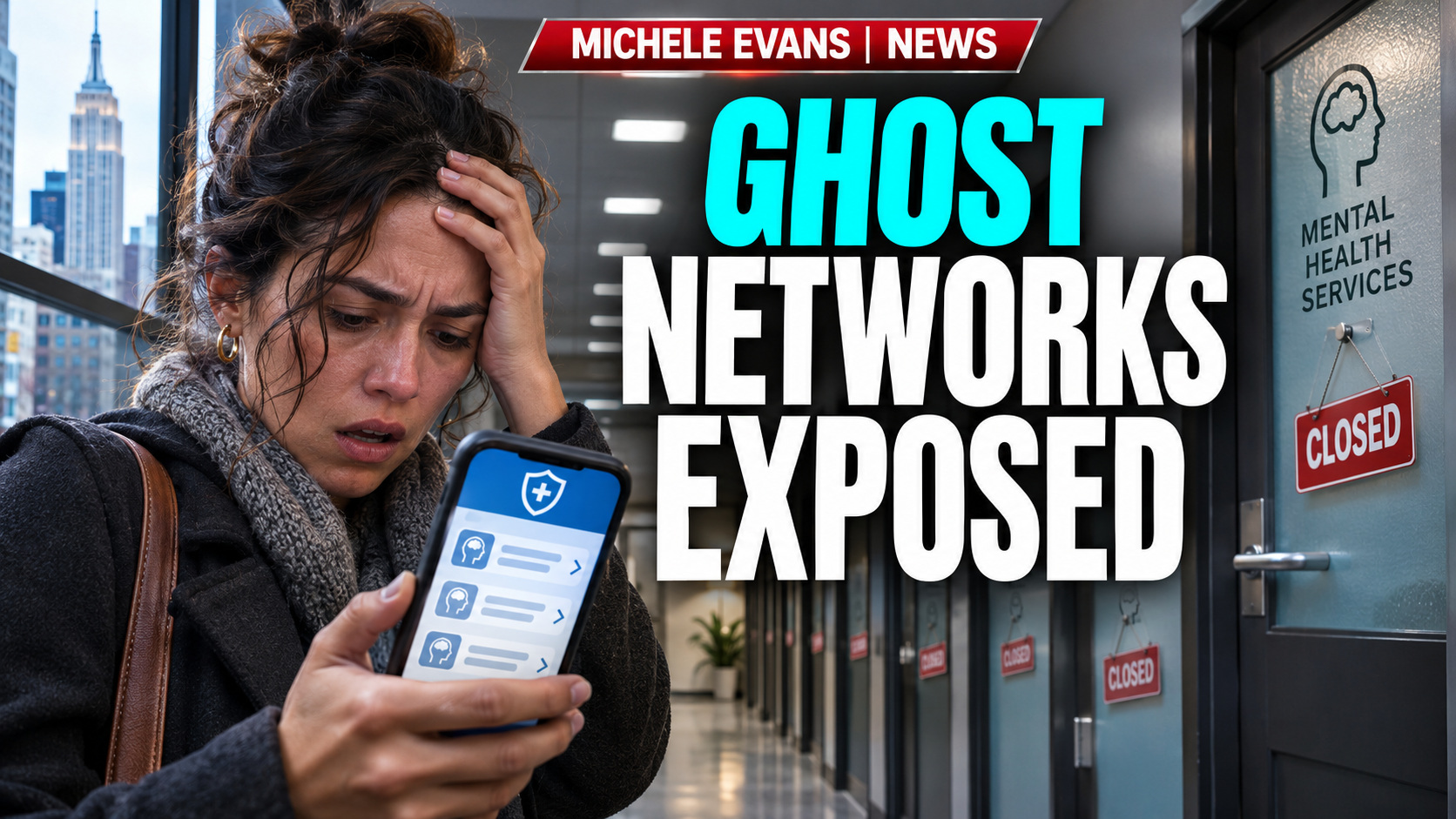
New Yorkers seeking mental health or addiction treatment were sent into a maze of unavailable providers and improper coverage denials, according to two investigations by the state Attorney General’s Office.
Carelon Behavioral Health will pay at least $10.35 million and overhaul how it serves more than four million New Yorkers. The company administers behavioral-health benefits for plans including EmblemHealth, Anthem Blue Cross Blue Shield, Independent Health and the Empire Plan for state and local government workers.
The investigations found two failures with the same consequence: people who asked for help could not reliably get it.
In a secret-shopper review, the Attorney General’s Office found that 82 percent of surveyed Emblem behavioral-health providers listed by Carelon as accepting new patients were effectively unavailable. Some could not be reached. Others were no longer practicing, were not accepting patients or were not actually in network.
The state said Carelon knew internally that it had a "ghost network" but did not disclose that information to Emblem and regularly dismissed complaints from members who could not find care.
One member searching for a psychiatrist for a spouse called at least eight listed providers without success. Carelon supplied about 25 more names, then contacted 38 additional providers itself, but still could not secure an appointment. In another case, a mother spent months trying to find an in-network psychiatrist for her 14-year-old son before the Attorney General’s Office intervened and Carelon approved out-of-network care.
A separate investigation found that Carelon used unapproved criteria to deny substance-use-disorder treatment in at least 41 cases. State law requires insurers to apply standards approved by the Office of Addiction Services and Supports. Independent reviewers overturned many denials examined by investigators, including 17 of 24 appealed Empire Plan cases and 27 of 50 Emblem cases.
Carelon has agreed to pay $2.35 million in penalties, fees and costs and provide up to $8 million in restitution to eligible members who paid out of pocket for out-of-network mental-health care. Other members may qualify for repayment of bills tied to improper addiction-treatment denials dating to January 1, 2020.
The settlement puts deadlines and outside oversight behind those promises. Carelon must correct inaccurate directory listings within two business days, verify provider information every 90 days and conduct quarterly secret-shopper surveys. An independent monitor will audit directory accuracy, appointment availability, out-of-network use and reimbursement practices.
Carelon must also ensure access to urgent appointments within 24 hours and initial outpatient appointments within 10 business days. If the company cannot locate an appropriate in-network provider within three business days after a member reports being unable to find one, the member must be allowed to use an out-of-network provider at the usual in-network cost.
For improper addiction-treatment denials, Carelon must identify eligible members itself and issue refunds within 180 days. It may no longer require patients to fail at a lower level of care before approving a higher one or demand proof that a patient poses a risk of serious harm when state standards do not require it.
Carelon, a division of Elevance Health, told Fierce Healthcare that it remains committed to accurate provider information and continues to invest in tools and processes that connect consumers with care.
The settlement answers one accountability question by imposing restitution, monitoring and measurable access rules. It leaves another open: how many New Yorkers abandoned treatment searches, absorbed bills or worsened while the directories and denial systems failed them.
A provider list is not access if the listed doors do not open.
Sources
New York Attorney General, Carelon Behavioral Health Settlements
Leave a Reply