
By Michele Evans / NYweeklyRecord.com / Date: 11/4/2026
Category: NYC Criminal Courts / Discovery Reform / Prosecutor Accountability / NYPD
NEW YORK CITY, NY – A Bronx criminal case ended without a trial after a judge found that prosecutors certified they were ready while key police evidence was still missing and their search for it fell short of New York’s discovery rules.
Criminal Court Judge Philip V. Tisne dismissed the case against Heavin Dunlap on October 29. Dunlap had been charged with third-degree assault and second-degree harassment after an alleged March 30 confrontation in a high school cafeteria. The complaint accused Dunlap of throwing hot coffee at another student. Those allegations were never tested at trial.
The ruling did not turn on whether the alleged confrontation happened. It turned on whether the Bronx District Attorney’s Office had done enough to locate and disclose evidence before filing a certificate of compliance and declaring the prosecution ready.
The court found major gaps. Prosecutors did not establish that they contacted the detective who handled the arrest before certifying compliance. That detective conducted the identification procedure, signed the complaint and was listed as the prosecution’s only law-enforcement witness.
The decision also faulted the prosecution for failing to make a meaningful effort to identify or obtain material from NYPD School Safety agents who were at the scene. Those agents are NYPD civilian employees, and the court said material they generated could be in the prosecution’s constructive possession and subject to automatic discovery.
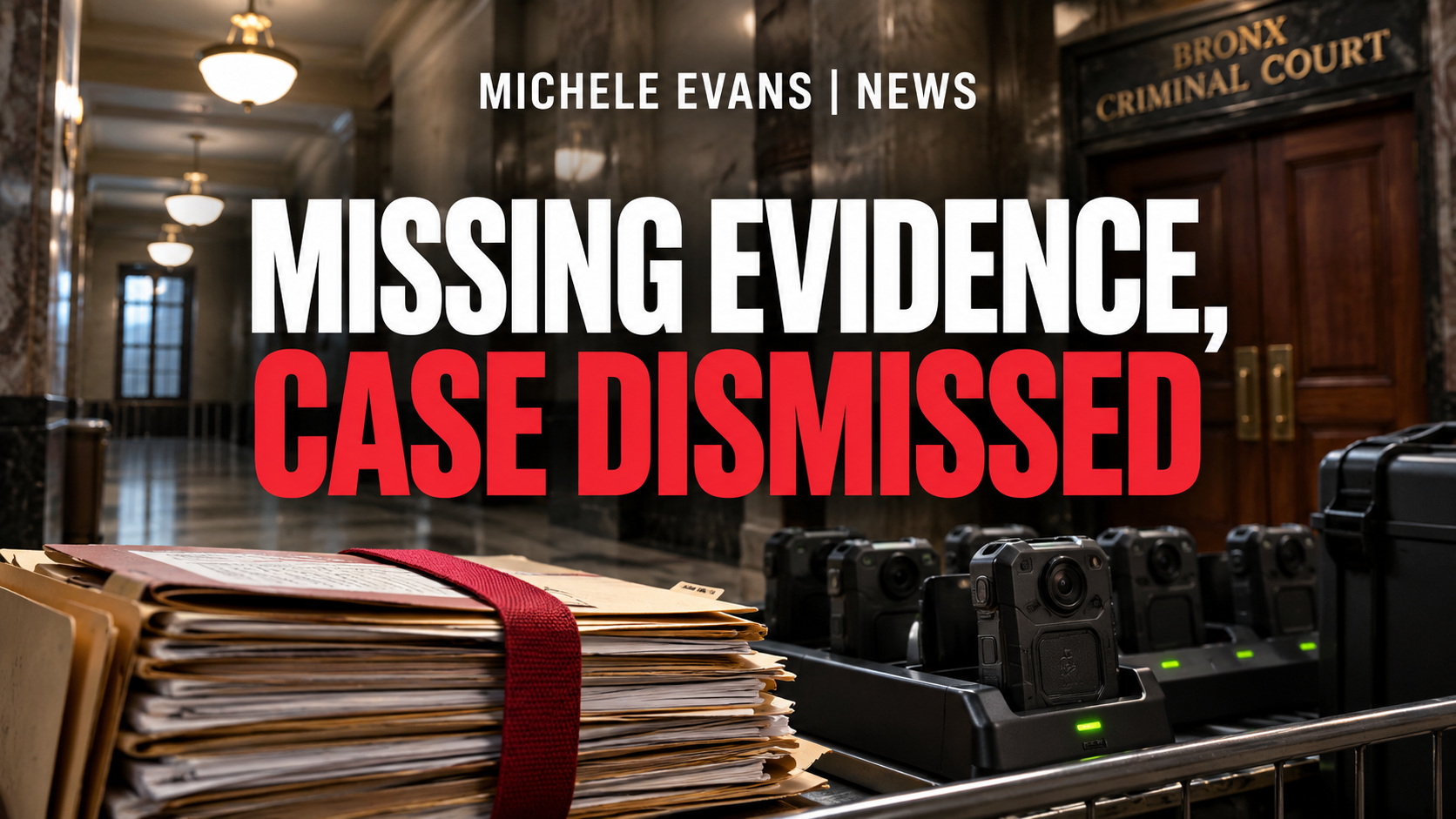
Body-camera footage presented another failure. Prosecutors said the video had been tagged to the wrong arrest number. The judge found no specific request for the missing footage until August 16, more than a month after the first readiness filing. The footage arrived the next day and apparently contained exculpatory information useful to the defense.
The record also showed that 911 material, detective reports and police activity logs were disclosed late. Some follow-up requests described by prosecutors were not included in the court record, leaving the judge unable to verify who had been contacted, what had been requested or when.
Most sharply, the court rejected the prosecution’s claim that it had been told no School Safety material existed. The decision said the record did not show a request for those materials and described the claim as bordering on falsehood. The judge treated that mischaracterization as a reason not to credit a later undocumented assertion.
New York law requires prosecutors to exercise due diligence and make reasonable inquiries before certifying discovery compliance. When that certification is invalid, a statement of trial readiness can also be invalid. Here, the court found that the prosecution never stopped the 90-day speedy-trial clock.
The dismissal carries consequences for everyone involved. The accused lost months under prosecution before the case was thrown out. The complaining witness lost the chance for the allegations to be resolved at trial. The public is left with a system in which evidence held by police units can be mislabeled, overlooked or pursued too late.
The unanswered question is institutional. The decision does not say whether the Bronx District Attorney’s Office or NYPD has changed the process that failed here. Without a reliable way to identify every police custodian, verify every request and document every response, the same breakdown can repeat in another case.
Leave a Reply