
By Michele Evans / NYweeklyRecord.com / Date: 11/3/2026
Category: Government Accountability / Civil Rights / Education / Courts / Employment
NEW YORK CITY, NY –
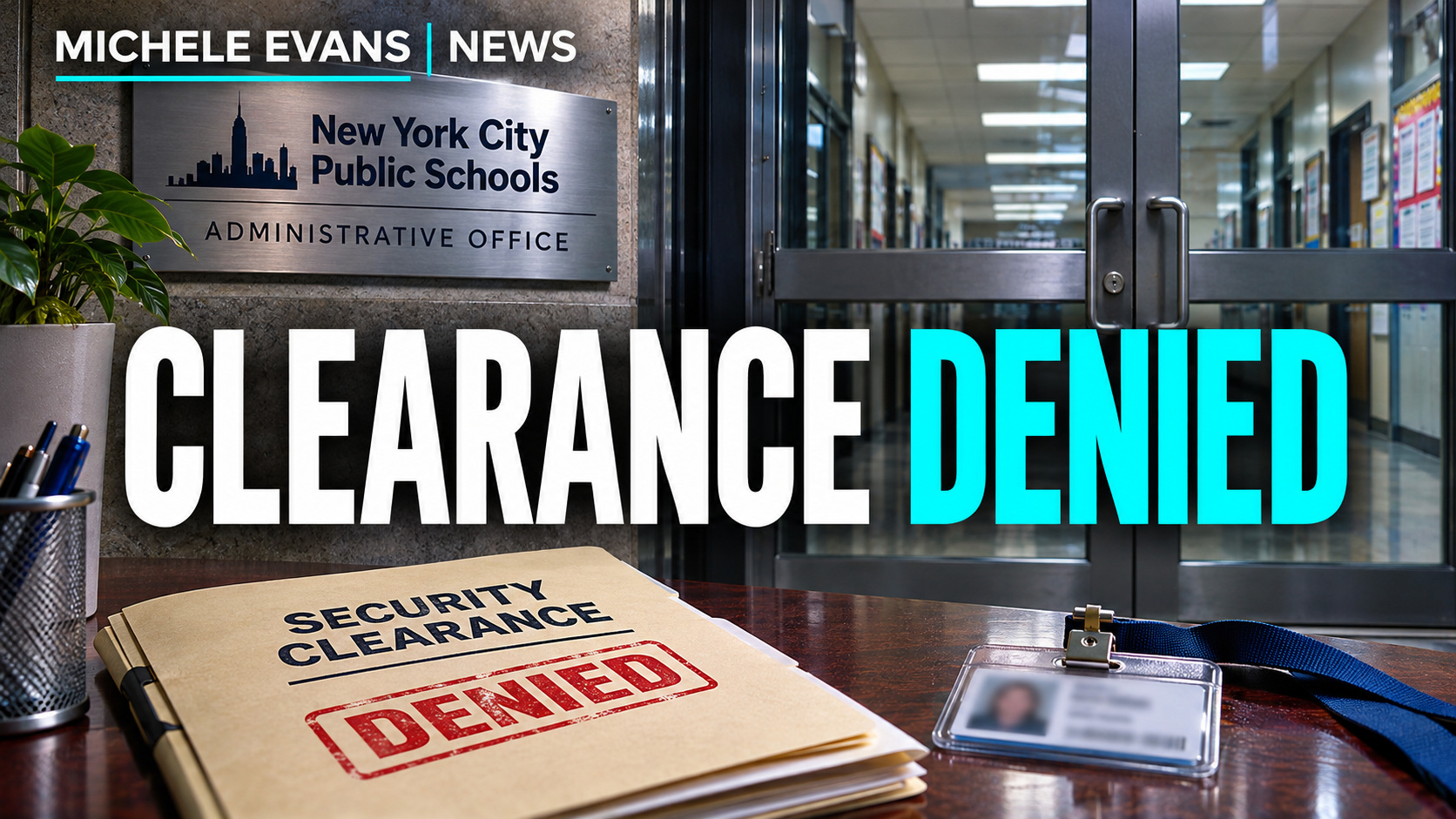
New York City education officials closed a speech pathologist’s security-clearance application without deciding it. An appeals court has now ruled that the agency misread its own settlement and acted irrationally.
The Appellate Division, First Department, unanimously reversed a lower-court ruling, reinstated Diana Hofman Ayngorn’s Article 78 case, annulled the Department of Education’s determination and directed DOE to process her application.
The ruling does not guarantee Ayngorn a security clearance or a job. It requires the agency to evaluate the application without relying on the interpretation the court rejected.
Ayngorn had been nominated in 2024 for a speech pathologist position with Salveo Healthcare Solutions, an independent agency that provides services to DOE. The job depended on DOE security clearance.
A prior settlement said Ayngorn could be cleared to work for a DOE vendor as long as she was not an “independent provider” and did not hold a primary ownership stake in the vendor.
DOE’s Office of Personnel Investigation later closed the application with no determination. The agency said the Salveo position fell within the settlement’s restriction on independent providers.
The appellate court found that phrase ambiguous. One reading barred Ayngorn only from working directly for DOE without an outside vendor. Another could sweep in people employed by a vendor, even though the same agreement expressly allowed vendor work.
To resolve that conflict, the judges looked at the settlement discussions. According to the decision, Ayngorn had specifically sought assurance that she could work as a speech pathologist for a vendor. DOE’s lawyer said the agency’s concern was direct work for DOE or work through a company Ayngorn owned.
That record mattered. The court said the settlement was meant to prevent direct independent work or employment through her own entity, not a position with an outside agency such as Salveo.
Because DOE relied on a misreading instead of a permissible interpretation, the court found the closure irrational under the legal standard governing challenges to agency action.
The case shows how a short administrative label can block employment without a decision on the underlying merits. DOE did not deny the clearance after weighing Ayngorn’s qualifications. It closed the file based on language the court found the agency had interpreted incorrectly.
The order forces the process to restart. DOE still may deny clearance for a lawful reason unrelated to the dispute that produced the earlier settlement. It must now make that decision through the proper review rather than treat the application as administratively finished.
For workers who need public-agency approval before they can serve students, the distinction is not technical. An unresolved or closed clearance file can function like a rejection while offering less explanation and fewer answers.
The unanswered question is what happens next. DOE must process Ayngorn’s application, but the decision does not set a deadline or predict the outcome.
Leave a Reply