
NEW YORK CITY, NY –
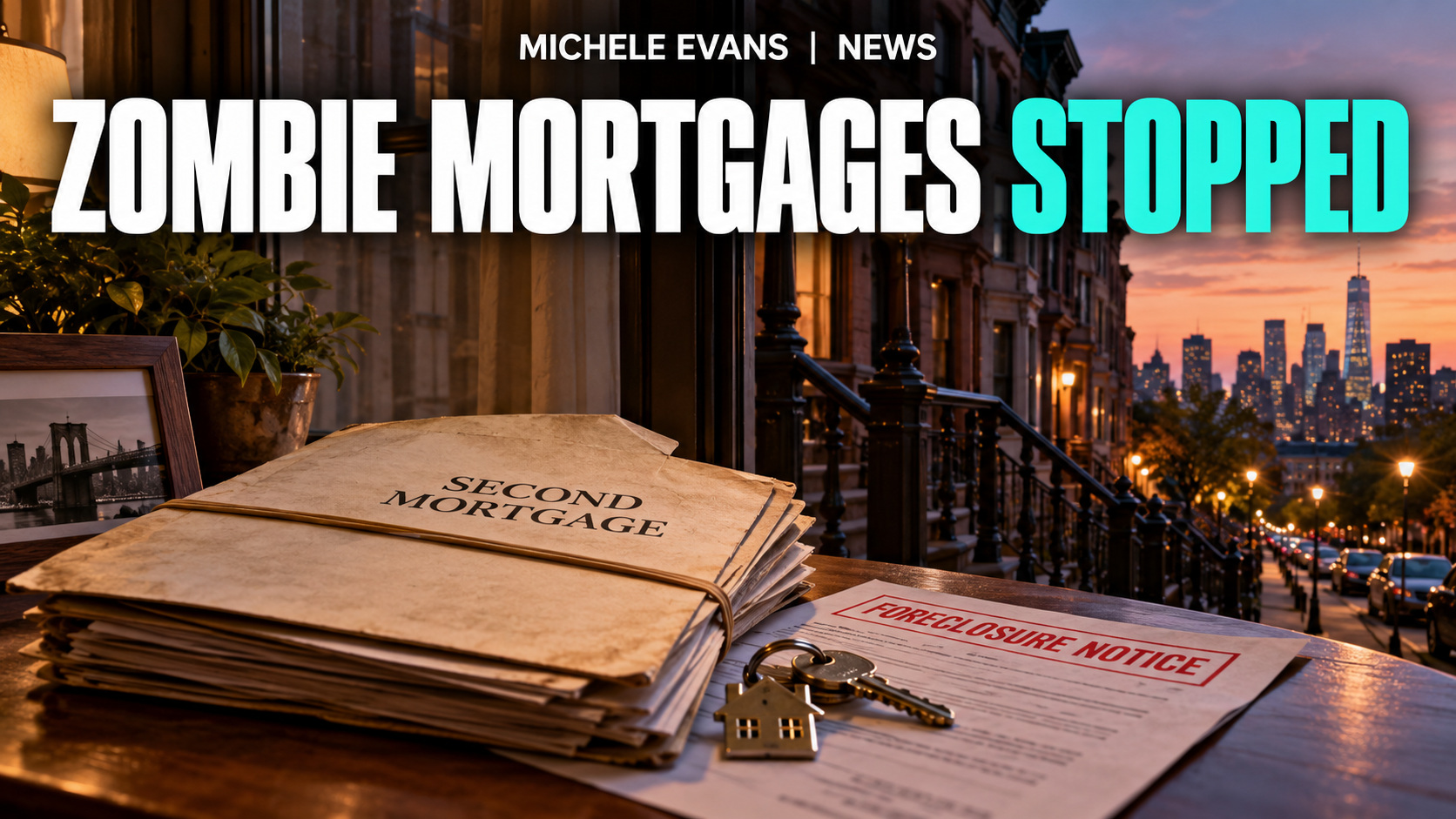
New York has forced a group of debt buyers to return money and stop pursuing expired mortgage payments after investigators found that homeowners were targeted with foreclosure demands tied to long-dormant second mortgages.
Attorney General Letitia James announced a settlement totaling more than $480,000 in penalties, restitution and additional debt relief. Her office said the companies bought thousands of defaulted loans, many dating to the years before the 2008 financial crisis.
The companies are BCMB1 Trust, First Age LLC, NS194 LLC, Second Start LLC, Southern MBA Trust and related entities.
According to the Attorney General’s investigation, the businesses acquired more than 3,000 defaulted mortgages beginning in 2019. They later filed more than 140 foreclosure lawsuits and sought payments that included interest reaching back as far as 12 years.
New York law generally bars lenders from collecting mortgage installments that became due more than six years earlier. The old second mortgages had often been silent for years before resurfacing in collection notices or foreclosure cases.
That is why consumer advocates call them zombie mortgages. The debt appears dormant, then returns with years of accumulated interest and the threat of losing a home.
The Attorney General’s office found that the companies sought expired payments and failed to give homeowners the disclosures required when debt buyers try to collect consumer debt.
Under the settlement, the companies will pay $240,000 in penalties and more than $242,000 in restitution. They must stop collecting time-barred payments, amend pending foreclosure demands and abandon expired portions of the debt.
The agreement does not erase every valid balance on every mortgage. It targets amounts the state says can no longer be collected because the legal deadline passed.
For homeowners, that distinction can decide whether a foreclosure demand reflects an enforceable obligation or years of expired charges. A lawsuit may still require a response even when part of the amount demanded is legally barred.
The case also exposes a gap in the aftermath of the housing crash. Loans that lenders stopped collecting did not necessarily disappear. They were sold, bundled and revived years later, often after records changed hands multiple times.
The settlement puts the burden on the debt buyers to correct their cases and return money. It also gives affected homeowners a direct measure of relief instead of requiring each person to fight the same collection practice alone.
Homeowners who receive a demand involving an old mortgage should preserve every letter, court paper and payment record. The Attorney General’s office accepts consumer complaints online and by phone.
The state’s findings are allegations resolved through a settlement, not a criminal conviction. The companies agreed to the financial and compliance terms, and the Attorney General has not said that every mortgage they own is unenforceable.
Leave a Reply