
By Michele Evans / NYweeklyRecord.com / Date: 10/17/2026
Category: NYPD Accountability / Homelessness / Civil Rights
NEW YORK CITY, NY –
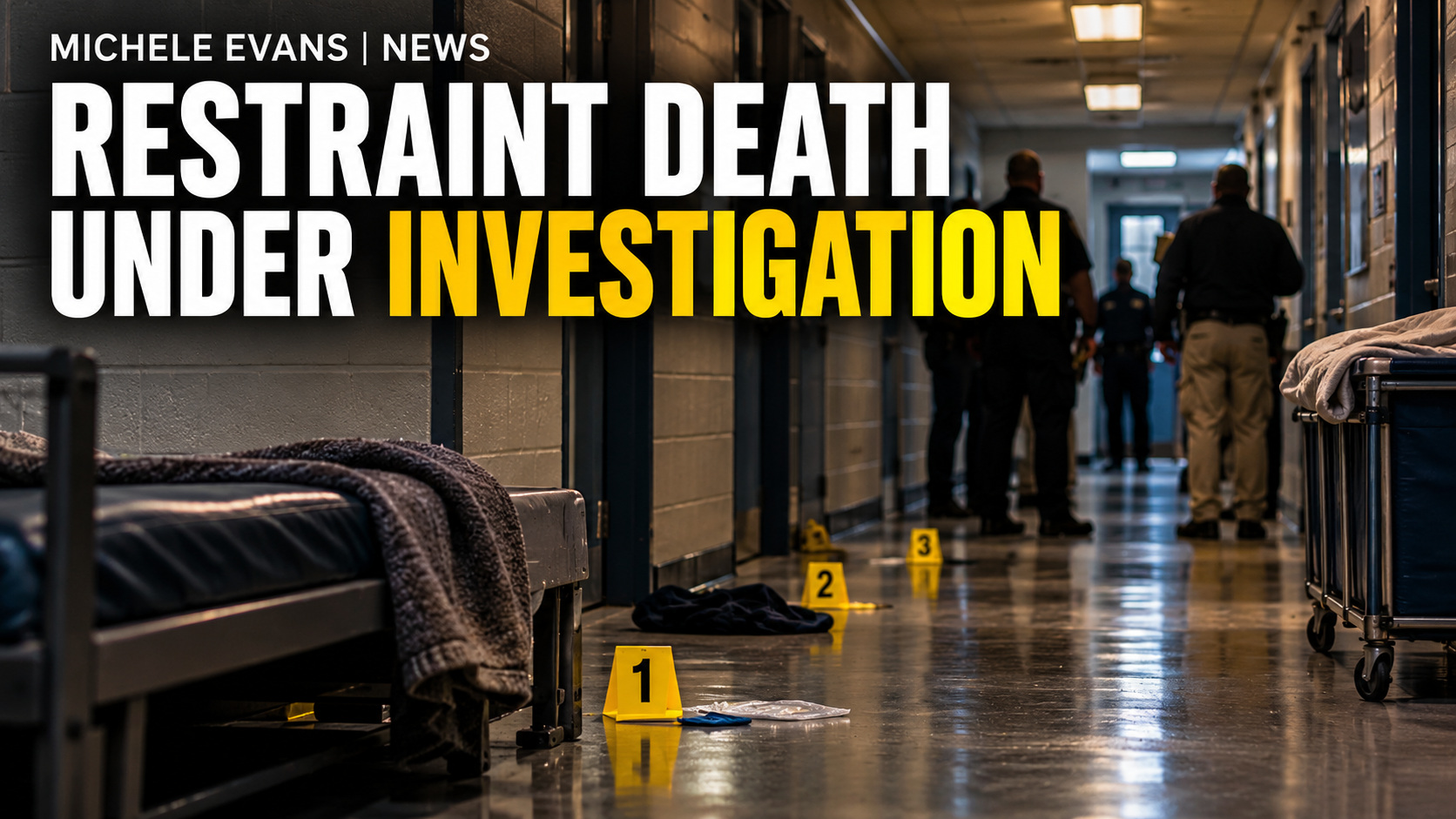
New York Attorney General Letitia James has opened a full investigation into the death of a man who became unresponsive while Department of Homeless Services peace officers and NYPD officers restrained him inside a Brooklyn shelter.
The death occurred on December 21, 2025, at a men’s shelter on Clarkson Avenue. The Attorney General’s Office said the matter had been under preliminary review and moved to a formal investigation after investigators received new information.
The state has not identified the man or disclosed what that new information was.
According to the preliminary account released by the Attorney General’s Office, the man allegedly pushed a DHS peace officer at about 5:05 p.m. DHS officers then attempted to handcuff him, and a struggle followed. NYPD officers arrived and helped restrain him. He became unresponsive during that restraint and was taken to a hospital, where he was pronounced dead.
Those facts are preliminary and may change. No officer or agency has been found responsible for the death, and the opening of an investigation is not a finding of criminal conduct.
The Office of Special Investigation, known as OSI, is required under New York Executive Law Section 70-b to examine deaths that may have been caused by a police officer or peace officer through an act or failure to act. DHS peace officers are covered by that authority.
The decision to advance from an assessment to a full investigation means OSI found enough information to examine whether an officer may have caused the death. It does not answer how the man died or whether the restraint violated policy or law.
The unanswered questions are central to public accountability. The state has not said how long the restraint lasted, how many officers participated, whether body-camera or shelter video exists, when medical distress was first recognized, what emergency care was provided, or whether officers followed restraint and medical-response rules.
News 12 reported that the man’s identity and cause of death remained undisclosed when the investigation was announced. Those omissions leave his family and the public without basic facts nearly ten months after the encounter.
The setting matters. People living in shelters may be dealing with medical conditions, mental-health crises, disability, substance use, trauma, or other vulnerabilities. A restraint inside a shelter can quickly become a medical emergency. Officers and shelter staff must be trained to recognize distress and summon care without delay.
The investigation must also examine agency systems, not only the final moments of the encounter. That includes DHS supervision, NYPD response protocols, coordination between agencies, preservation of video and radio records, medical response, and whether officials promptly reported the death for independent review.
If OSI concludes that an officer caused the death, it may present evidence to a grand jury or issue a public report explaining why criminal charges are not warranted. For now, the state has confirmed an investigation and little else.
The public accountability test is straightforward: establish what happened, preserve the evidence, identify any policy failure, and explain why information that changed the state’s assessment surfaced months after the man died.
Leave a Reply