
By Michele Evans / NYweeklyRecord.com / Date: 10/5/2026
Category: New York State Prisons / Corrections / Government Accountability / Public Safety
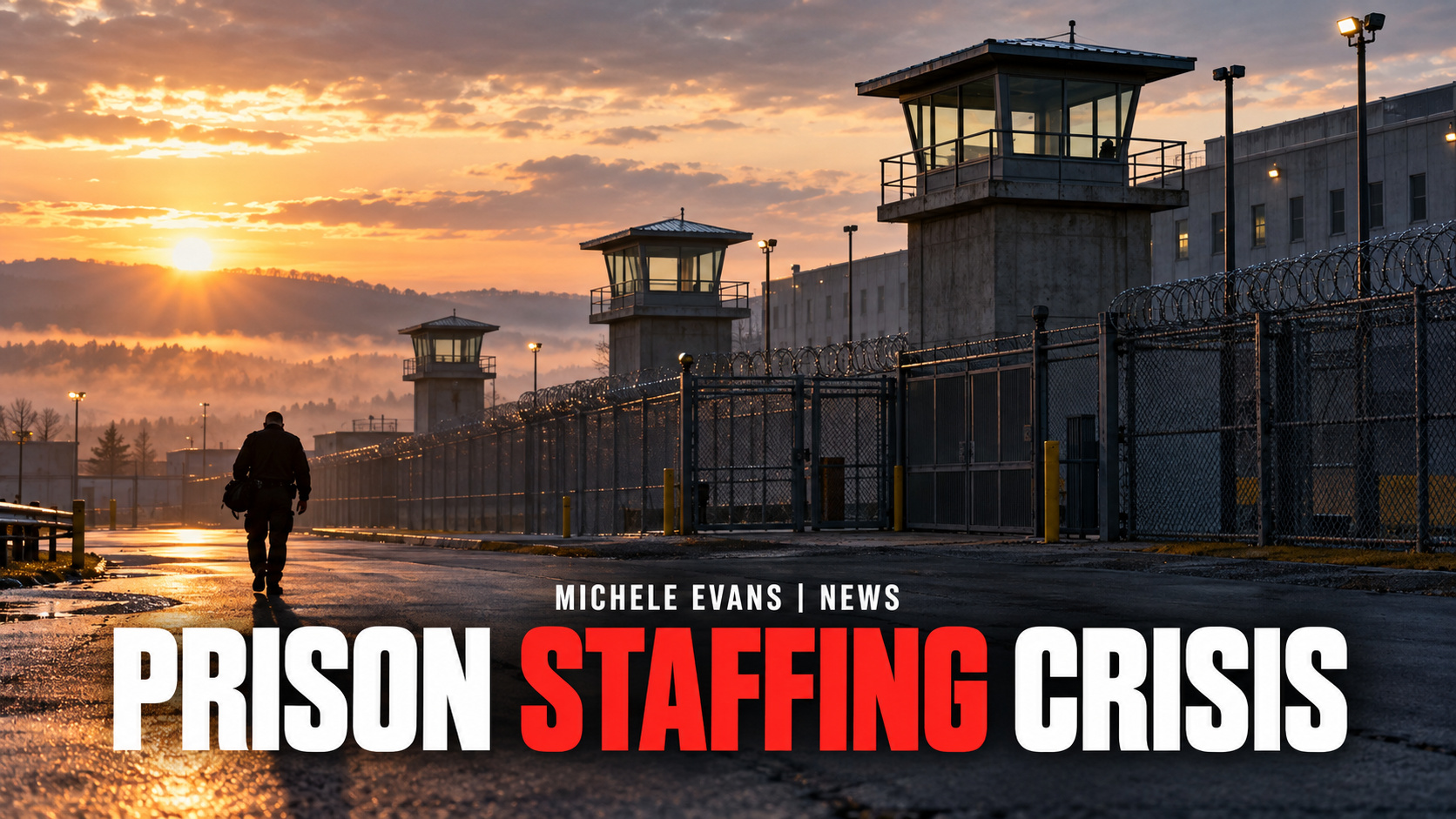
ALBANY, NY – New York’s prison staffing crisis is no longer a warning on a budget sheet. The state reports a 56 percent vacancy rate among prison workers, while officers who stayed describe forced overtime, back-to-back 12-hour shifts and a system struggling to keep new recruits.
The shortage affects the people living and working inside 41 state prisons. Fewer experienced officers can mean longer lockdowns, delayed medical trips, canceled programs and thinner supervision in housing units. Those conditions can raise risks for incarcerated people, officers and surrounding communities.
The crisis deepened after the illegal 2025 prison strike. Gov. Kathy Hochul fired about 2,000 correction officers who did not return to work, according to reporting by the New York Public News Network. Nearly 800 other officers retired, leaving the state to rebuild a workforce while prisons remained open.
Hochul has called the shortage a crisis. Her administration lowered the hiring age, changed pension rules, offered recruitment incentives and expanded training. The state also spent more than $1 billion deploying National Guard members to support prison operations.
Recruitment has improved on paper. The number of academy graduates rose more than 40 percent last year. Retention tells a harder story. More than 660 new officers were assigned to prisons, but more than 250 had resigned by year’s end.
Kellan Livsey, a former correction officer from Plattsburgh, represents that loss. He entered the job in 2018, following his grandparents into a career that once promised reliable pay, benefits and retirement. He resigned this spring after seven years and now drives a tractor trailer.
Livsey told public radio reporter Emily Russell that mandatory overtime and consecutive 12-hour shifts wore him down. He now works more hours, he said, but comes home every night. His account shows why hiring totals alone cannot fix the crisis if new and experienced officers keep leaving.
The staffing fight has become a political fight over the Humane Alternatives to Long-Term Solitary Confinement Act, known as HALT. Officers and union leaders argue that the law limits discipline and makes prisons harder to control. Republican gubernatorial candidate Bruce Blakeman has called for repeal and for rehiring officers fired after the strike.
Prisoner advocates reject the claim that more solitary confinement will solve a workforce problem. They warn that isolation damages mental health, cuts people off from treatment and family contact, and can make prison conditions less stable. Some advocate closing more facilities and releasing elderly prisoners as the incarcerated population falls.
The competing claims should not obscure the measurable failure. New York is spending heavily on emergency staffing while losing a large share of the people it trains. The state has not publicly shown, facility by facility, how vacancies, overtime, lockdowns, assaults, medical delays and resignations move together.
That data matters. A statewide vacancy rate cannot tell families whether one prison is operating safely while another is repeatedly short of staff. It also cannot show whether Guard deployments are filling critical posts or only keeping basic operations from collapsing.
Hochul’s administration must publish facility-level staffing and retention data on a consistent schedule. Lawmakers should demand the cost of overtime, training losses and Guard support, along with the effect on medical care, programming and time outside cells.
The unanswered question is not whether New York can recruit another academy class. It is whether the state can build working conditions that retain staff without sacrificing the legal rights and safety of people in custody. Until officials can show that, the 56 percent vacancy rate remains an accountability failure with human consequences on both sides of the prison wall.
Sources
Gothamist: New York’s Prison System Is in Crisis
North Country Public Radio: New York’s Prison System Is in Crisis
Leave a Reply