
By Michele Evans
NYweeklyRecord.com
9/2/2026
NEW YORK CITY, NY –
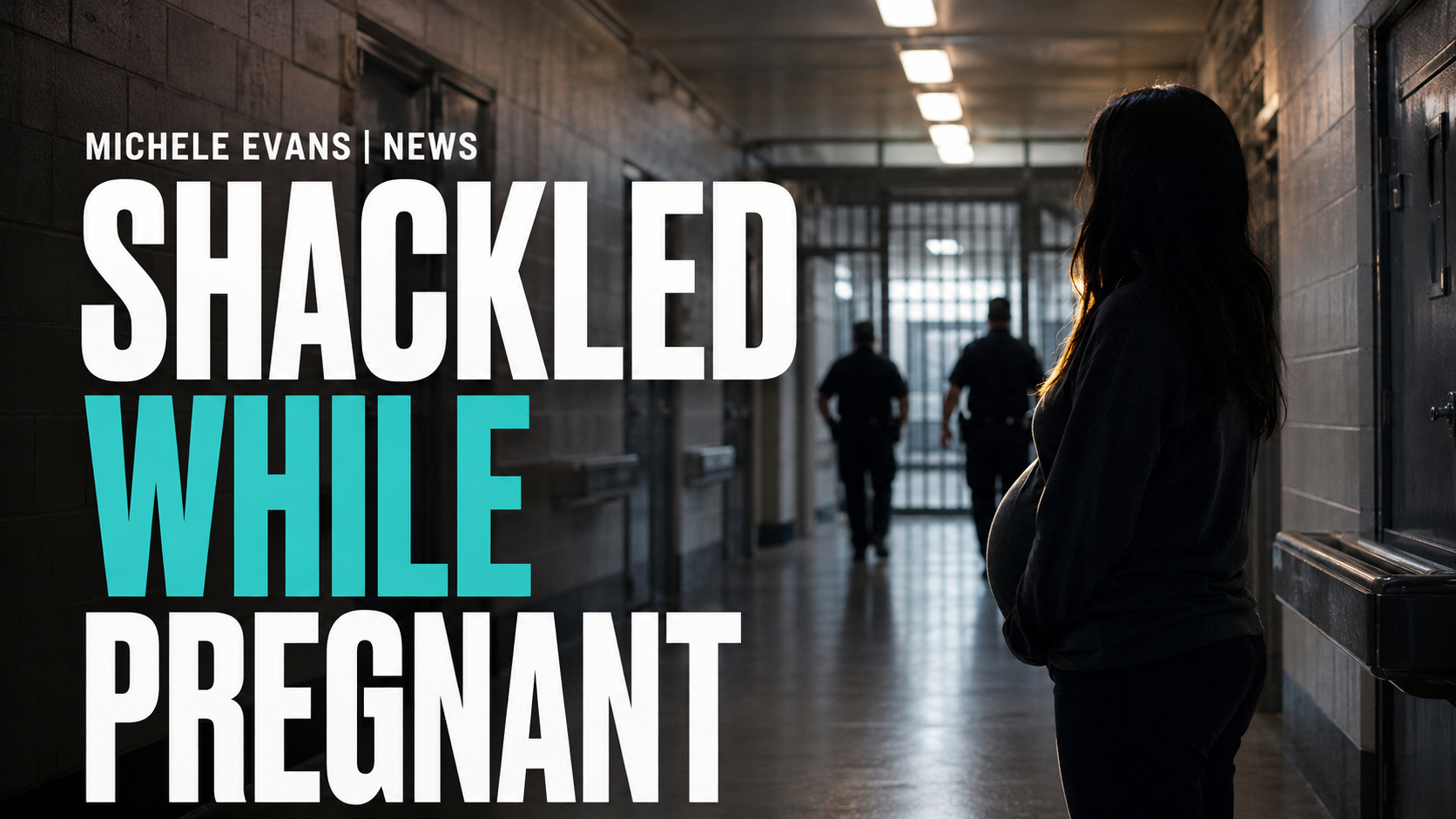
A lawsuit alleges New York City correction officers repeatedly placed Luz Burke in full-body restraints while she was pregnant and detained at Rikers Island, despite state protections that sharply limit the shackling of pregnant people.
Burke was held at the jail complex from August 2023 through March 2024, according to Gothamist’s account of the complaint. The lawsuit alleges the Department of Correction confirmed her pregnancy with a test around the time she entered custody.
The complaint claims officers shackled Burke whenever she was transported for psychiatric examinations, medical appointments and scheduled court appearances. It also alleges she remained shackled during one hospital visit.
According to the lawsuit, officers stopped using leg restraints about two months into Burke’s detention but continued using handcuffs for another month. Those claims have not been proven in court.
New York’s anti-shackling law does not leave the decision solely to the officer escorting a pregnant person. The 2015 legislation expanded protections to any person known to be pregnant and to people within eight weeks after delivery or another pregnancy outcome.
Under the law, restraints may be used only in extraordinary circumstances following an individualized determination involving correctional leadership and the chief medical officer. Even then, restraints are limited to handcuffs placed in front of the body. The law also requires written documentation explaining the facts, type of restraint and length of use.
The statute separately requires correctional facilities to provide written notice of the protections, conduct annual training for relevant personnel and report each use of restraints to state leaders without identifying the person involved. It prohibits restraints during labor, admission for delivery and recovery after birth.
That framework makes the central accountability questions unavoidable. Did DOC make any individualized extraordinary-circumstances findings in Burke’s case? Did officials document each restraint use? Was Burke given the required notice? And did the department’s training and supervision fail to prevent conduct the law was designed to stop?
The lawsuit also alleges failures beyond the restraints. Burke claims the city did not provide necessary care and treatment. She further alleges that a facility for pregnant detainees had been closed, leaving her housed in a mental-health observation dormitory where she was exposed to pepper spray aimed at other detainees.
Those are allegations, not findings. The New York City Law Department told Gothamist that it had not been served with or reviewed the complaint. Gothamist also reported that Burke’s attorney did not respond to its request for comment.
The city’s position on the merits is therefore not yet part of the public record described in the reporting. The complaint now places pressure on DOC and city lawyers to answer whether the restraints were authorized, whether required records exist and why a pregnant detainee was allegedly housed under conditions she says put her at risk.
This case is about more than one person’s transport schedule. New York strengthened its anti-shackling law because lawmakers acknowledged that pregnant people were still being restrained illegally even after earlier protections were enacted.
If Burke’s allegations are substantiated, the case would raise a direct question about whether legal protections at Rikers exist on paper but disappear during daily operations. If the city disputes the account, it will need records, policies and documented decisions that explain what happened.
Either way, the public deserves a clear accounting. A pregnancy test, a chain of custody and a transport order should not become a gap where legal safeguards vanish.
Leave a Reply