
NEW YORK CITY, NY –
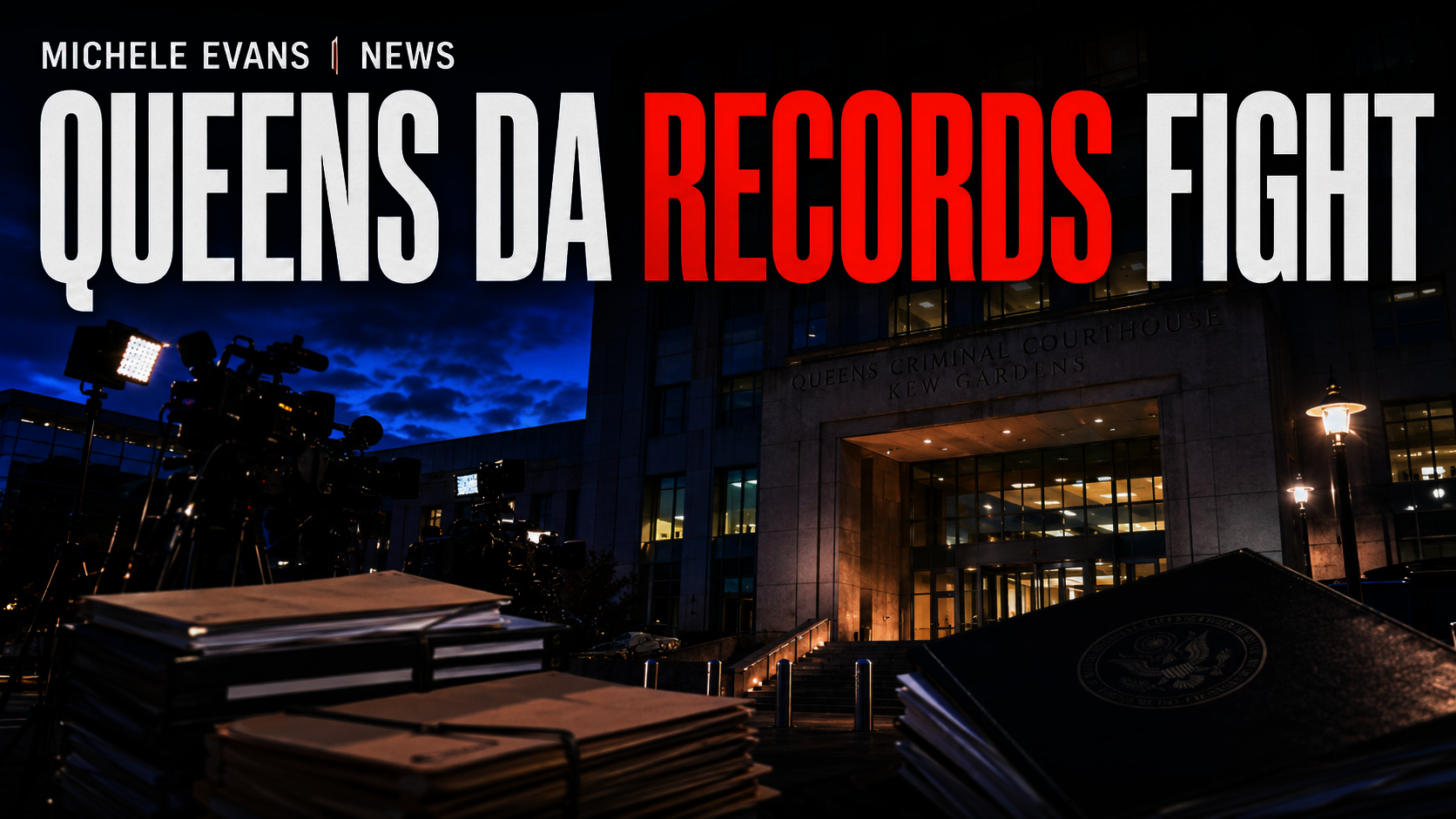
A congressional committee is escalating its demand for records from Queens District Attorney Melinda Katz, turning a dispute over prosecutorial discretion and immigration consequences into a test of how far federal oversight can reach inside a local prosecutor’s office.
House Judiciary Committee Chairman Jim Jordan and Immigration Integrity Subcommittee Chairman Tom McClintock said Monday that Katz has not produced materials requested in May about cases involving noncitizens, communications with her office’s Immigration Specialist, and policies that may consider immigration consequences during charging or plea decisions.
The renewed demand is not a finding of wrongdoing. It is an allegation by Republican committee leaders that Katz’s office may be treating noncitizens differently and withholding records needed for congressional oversight. No court has ruled that the Queens district attorney violated federal law, and the committee has not announced a subpoena against Katz.
Katz’s office previously invoked the 10th Amendment and objected to the breadth of the request, according to the committee’s August 24 letter and published reporting. The office argued that searching communications involving noncitizens would be impractical. The committee responded that Katz has not explained why narrower categories, including records tied to a single staff position or identified cases, could not be produced.
That procedural fight matters beyond Queens. District attorneys routinely weigh collateral consequences when deciding how to charge or resolve cases. Immigration consequences can be severe, including detention or deportation, even when the underlying criminal case is low level. Prosecutors also have broad discretion, but that discretion is not immune from constitutional, legislative or public scrutiny.
The committee’s rhetoric is sweeping. It accused Katz of policies designed to frustrate federal immigration authority and suggested that different treatment based on citizenship could implicate civil-rights laws. Those remain the committee’s claims. Katz has not been charged with a crime or formally accused in court, and her office had not issued a public response to the renewed letter as of publication.
The request also sits inside a larger federal campaign targeting sanctuary jurisdictions. In May, committee leaders sought information from the NYPD, the Department of Correction and all five city district attorneys. New York City’s rules generally require a judicial warrant and other conditions before local agencies honor federal immigration detainers.
The unanswered question is whether Congress will move from letters to compulsory process. A subpoena could trigger a legal fight over federal oversight power, state sovereignty, prosecutorial independence and the privacy of people whose criminal cases may appear in the requested records.
For Queens residents, the stakes are concrete. The dispute could expose how immigration consequences influence plea offers and charging decisions, or it could become a partisan records battle that reveals little about outcomes. Either way, the public deserves facts that separate written policy, case-by-case discretion and political accusation.
Leave a Reply