
By Michele Evans / NYweeklyRecord.com / Date: 8/6/2026
Category: Rikers Island / NYC Department of Correction / Maternal Health / Accountability
NEW YORK CITY, NY –
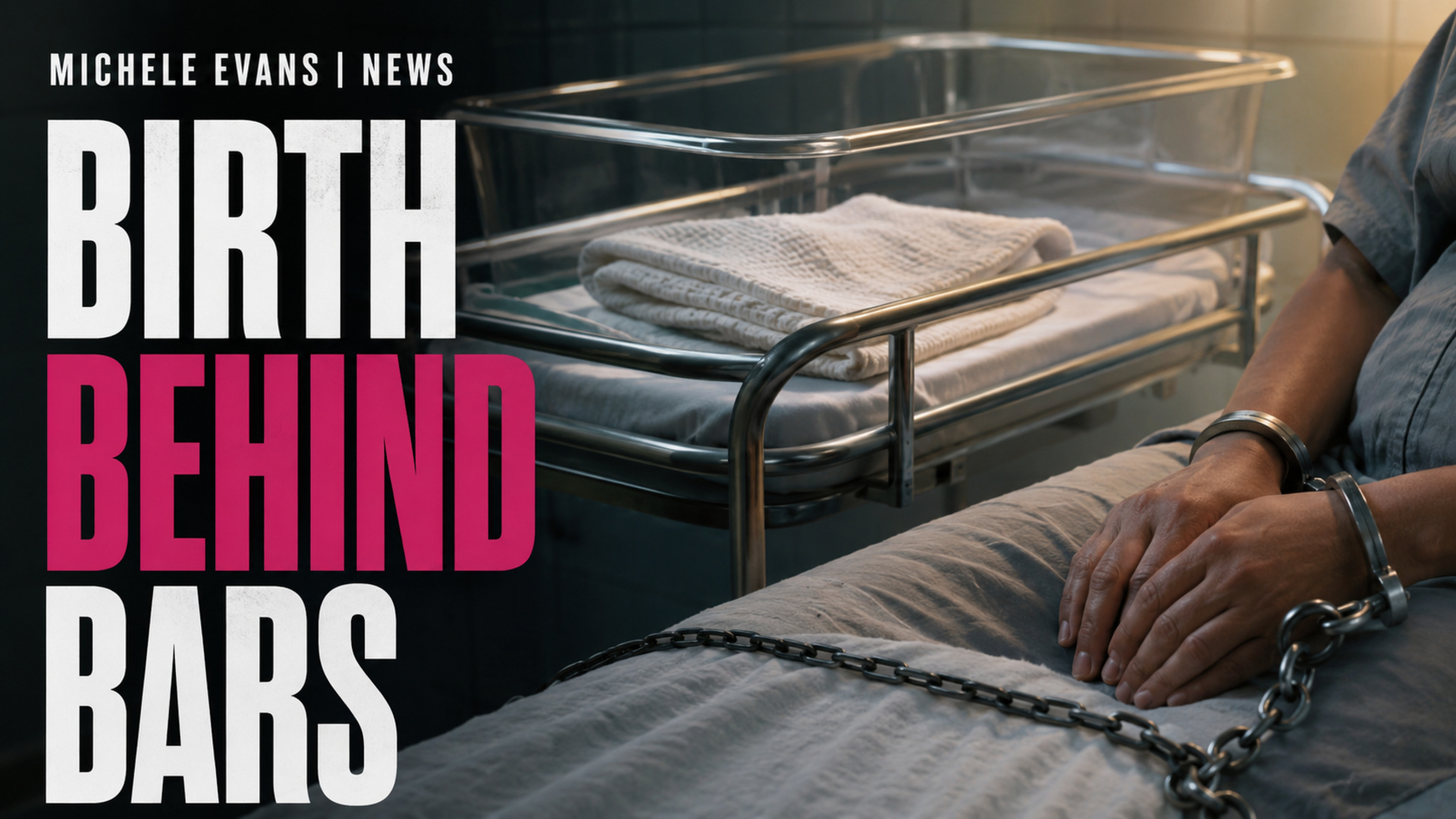
Kellie was pregnant and incarcerated when she gave birth while in the custody of New York City’s jail system. A PIX11 feature published August 6 puts one mother’s experience back at the center of a debate too often reduced to policy language and population counts. In a social-media excerpt promoting the report, journalist Jay Dow said Kellie first held her newborn daughter while still wearing a jail jumpsuit and shackles.
That image demands more than sympathy. It raises direct questions for the New York City Department of Correction, its medical partners and elected officials: Who approved the restraints? What medical and security circumstances were documented? What care was offered before and after delivery? What safeguards were supposed to protect a postpartum mother and her baby? The public account does not answer those questions, and those gaps matter. Michele Evans News is not asserting that any specific law was violated in Kellie’s case without the records needed to establish the timing, reason and manner of restraint.
What is confirmed is the larger system around her. The Born Inside report, produced through the Birth Support Working Group, gathered testimony from people who experienced pregnancy and birth while incarcerated in New York City. The working group included directly affected advocates, service providers and public-health partners. It interviewed participants during 2023 and 2024 and described conditions that were deeply harmful to physical health, mental health and family stability.
The report estimates that roughly 400 women, transgender people and gender-expansive people are held in city jails on a typical day. National data cited by the authors suggest about 3 percent of people classified as women in local jails are pregnant when admitted. Those figures make pregnancy in custody neither rare nor unforeseeable. It is a recurring government responsibility that requires trained staff, reliable transportation, timely medical care and respect for bodily autonomy.
New York adopted a birth-support law in 2021, and New York City enacted a doula-support law of its own. Those reforms were designed to make continuous support available during pregnancy, labor and the postpartum period. Yet the Born Inside authors cautioned that only two of the people they interviewed gave birth after the state law took effect. Their accounts therefore show the history that prompted reform while also limiting how much the interviews alone can prove about current compliance.
The report nevertheless identifies ongoing warning signs. Participants described restraint during transportation and after giving birth, confusion about rights, interruptions in care and the emotional damage of separation. The authors recommend reducing the incarceration of pregnant and parenting people, expanding access to doulas and reproductive and mental-health care, enforcing anti-shackling protections, and maintaining continuity when someone enters or leaves custody.
There is evidence that supportive care can be built. Mount Sinai reported in March 2026 that the HOPE and Growing HOPE programs, developed with NYC Health + Hospitals/Elmhurst and community partners, had served more than 100 patients. The model connects people in custody with doula support during pregnancy and after delivery. That matters because a doula can help a patient understand options, communicate needs and preserve some continuity inside a fragmented system. A program, however, is not the same as universal access, and a service count does not answer whether every eligible patient receives timely help.
The City Council has also moved to require more transparency. In 2023, the Council said legislation would mandate annual public reporting on people who are pregnant while in DOC custody. Reporting can show how many people were identified, what services were provided and where gaps persist. But data are only useful if they are complete, timely and detailed enough to reveal failures. Totals alone cannot explain why a particular patient was restrained or whether staff followed policy.
Kellie’s story makes those accountability questions human. A woman’s first moments with her child should not depend on whether an agency can explain a restraint decision after the fact. The burden should be on the jail system to document necessity, follow medical guidance and prove that dignity was treated as a safety requirement, not a favor.
City officials should now disclose the rules governing restraints during hospital transport, labor and postpartum recovery; the process for notifying pregnant people about doula services; the number of eligible patients who accepted, declined or never received those services; and the mechanism for investigating complaints. Any review of Kellie’s treatment should protect her privacy while still producing an accountable public answer.
The unanswered question is not simply whether conditions have improved since earlier interviews. It is whether New York City can show, case by case, that reforms reach the people they were written to protect. Kellie’s experience is a reminder that a policy on paper is only the beginning. The real test comes in the delivery room, in the transport van and in the first fragile hours between a mother and her child.
Sources
PIX11: How a Mother’s Life Forever Changed After Giving Birth on Rikers Island
Women & Justice Project: Born Inside
Mount Sinai: NYC Partnership’s Born Inside Report Amplifies Incarcerated Mothers’ Voices
New York City Council: Council Votes on Reporting for Pregnant People in Custody
Leave a Reply